upcycled education

Think-pair-share

Think-pair-share gives every pupil time to think, then talk, before the whole class discusses. How to run it and when to use it.

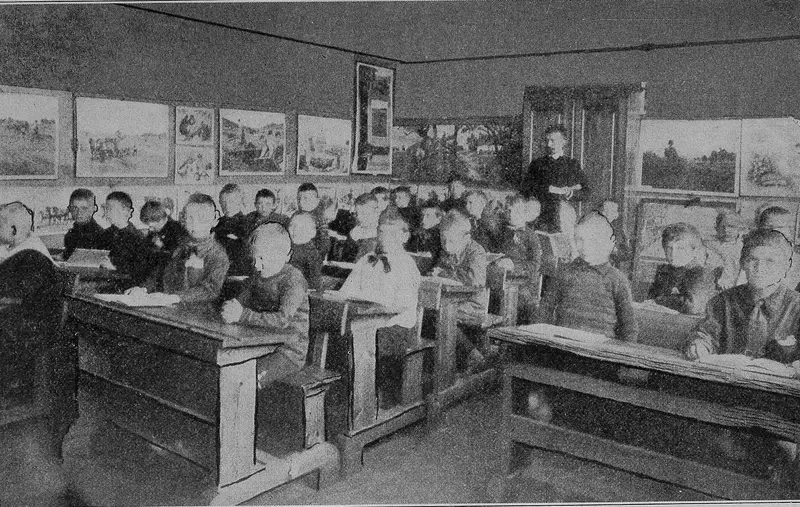
A teacher standing at the back of a full classroom of pupils at wooden desks, from a 1916 book

Think-pair-share is a simple structure created by Frank Lyman and colleagues at the University of Maryland in the early 1980s. It takes only a few minutes and works at any age.

The three steps 1. Think. The teacher poses a question and gives pupils a minute or so to think silently, or to jot down an answer. 2. Pair. Pupils turn to a partner and compare answers, ask each other questions and agree what to say. 3. Share. The teacher picks pairs to share with the class, or the class votes or compares.

Why it helps - Thinking time. Many pupils need time to form an answer; a hand shot up in two seconds is not the only way to find out. - Everyone talks. In a class of thirty, a whole-class question lets a handful respond. In pairs, every child speaks. - Rehearsal. Saying an answer to a partner first makes it easier to say to the class, which helps shy pupils and those learning English. - Better answers. Pupils refine their ideas in conversation. - Quick check. The teacher hears what pupils think.

The EEF's summaries of collaborative learning and oral language interventions both show positive average effects for structured talk.

Making it work - Ask a good question. One with more than one possible answer, or that asks for reasons, works better than a yes or no question. - Set a timer. 30 seconds to a minute for thinking, two minutes for pairing. - Model it first. Show a good pair conversation. - Vary the pairs. Face partners, shoulder partners or random partners. - Listen in, and choose which pairs to hear. - Use sentence starters: "I think... because...", "I agree/disagree because...". - Follow with writing or a mini-quiz to see what individuals have taken from the talk.

Pros and cons Pros are that it needs no preparation, is easy to learn and builds confidence. Cons are that pairs may go off-task, one partner may dominate, and some pupils find it hard to say anything. Training and routines help.

At home At the dinner table, ask a question, let everyone think for a moment, and then take turns. See cooperative learning and questions in maths.

teachingAll guides on in the classroom